If you picture Encinitas as one kind of beach town, you may be surprised by how much it changes from one area to the next. Along the coast, you can find walkable districts, surf access, and older neighborhood streets with a relaxed rhythm. Move farther east, and the feel shifts toward planned communities, trail networks, and larger residential lots. If you are exploring a move here, understanding those differences can help you choose the lifestyle and home style that fit you best. Let’s dive in.
Why Encinitas Feels So Different
Encinitas stretches across six miles of Pacific coastline and includes five distinct communities: New Encinitas, Old Encinitas, Cardiff-by-the-Sea, Olivenhain, and Leucadia. According to the city’s planning documents, it is not a single uniform coastal market.
That matters when you start looking at homes. A property west of I-5 can offer a very different daily routine than one closer to El Camino Real or in the eastern hills. In Encinitas, lifestyle and location are closely tied.
Beach Life Shapes Daily Routine
For many people, the draw of Encinitas starts with the coast. The city maintains about 45 acres of beaches, along with access points and facilities that connect residents and visitors to the shoreline. Popular destinations include Moonlight Beach and Swami’s Beach Park, both of which help define the area’s beach-centered lifestyle.
Living near the coast can make the beach part of your everyday routine, not just a weekend plan. Morning walks, surf sessions, and sunset visits are all part of the appeal, especially in the neighborhoods closest to the water.
At the same time, coastal living here is shaped by ocean conditions as much as scenery. The city’s Safe Beach Day app gives updates on surf and weather conditions, water quality, tides, stingray activity, and lifeguard tower status, which is a practical reminder that beach life comes with day-to-day awareness.
It is also helpful to keep a balanced view of the coastline. The city notes beach safety concerns such as rip currents, and its shoreline planning materials describe local beaches as erosional hot spots affected by storms and sea-level rise. Projects like the Cardiff State Beach Living Shoreline effort reflect how coastal access, habitat preservation, and shoreline protection all intersect here.
Walkability Depends on the Area
One of Encinitas’ biggest lifestyle advantages is that some areas support a more walkable, car-light routine. The city describes Downtown 101 as a century-old coastal shopping district with historic architecture, quaint shops, sidewalk cafes, specialty retail, and restaurants.
That same page also highlights Cardiff 101 and Leucadia 101, which each bring their own local rhythm. Leucadia, for example, hosts a weekly farmers market and community events, while Cardiff 101 emphasizes a walkable setting with goods and services for residents and visitors.
Walkability is not spread evenly across the city, though. The city’s zoning summary shows that commercial and office uses cluster along Highway 101, Encinitas Boulevard, and El Camino Real, while residential areas extend outward from those corridors. In general, coastal and corridor-adjacent pockets tend to feel more walkable, while inland areas are more residential and auto-oriented.
Encinitas also invests in pedestrian and bike connections. Events like Cyclovia Encinitas temporarily open part of Coast Highway 101 to people on foot and bike, and the El Camino Real pedestrian Z-crossing improves access to bus stops and commercial centers.
Home Styles Change by Neighborhood
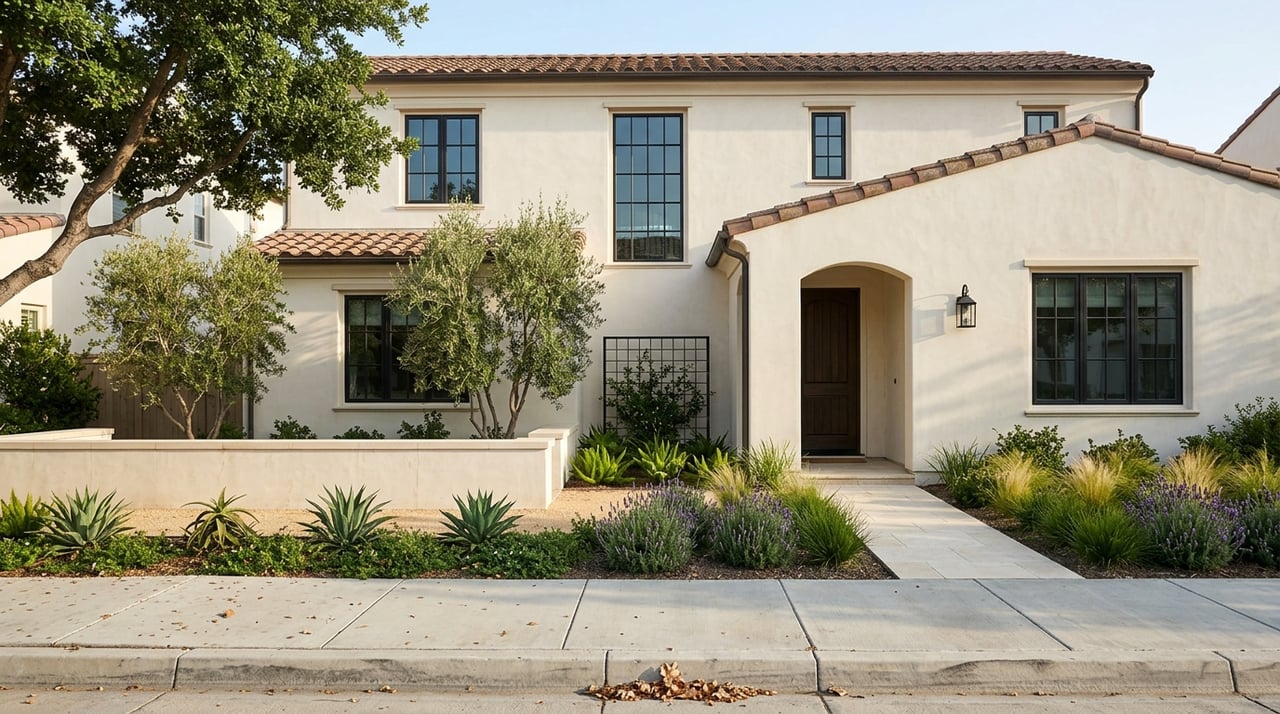
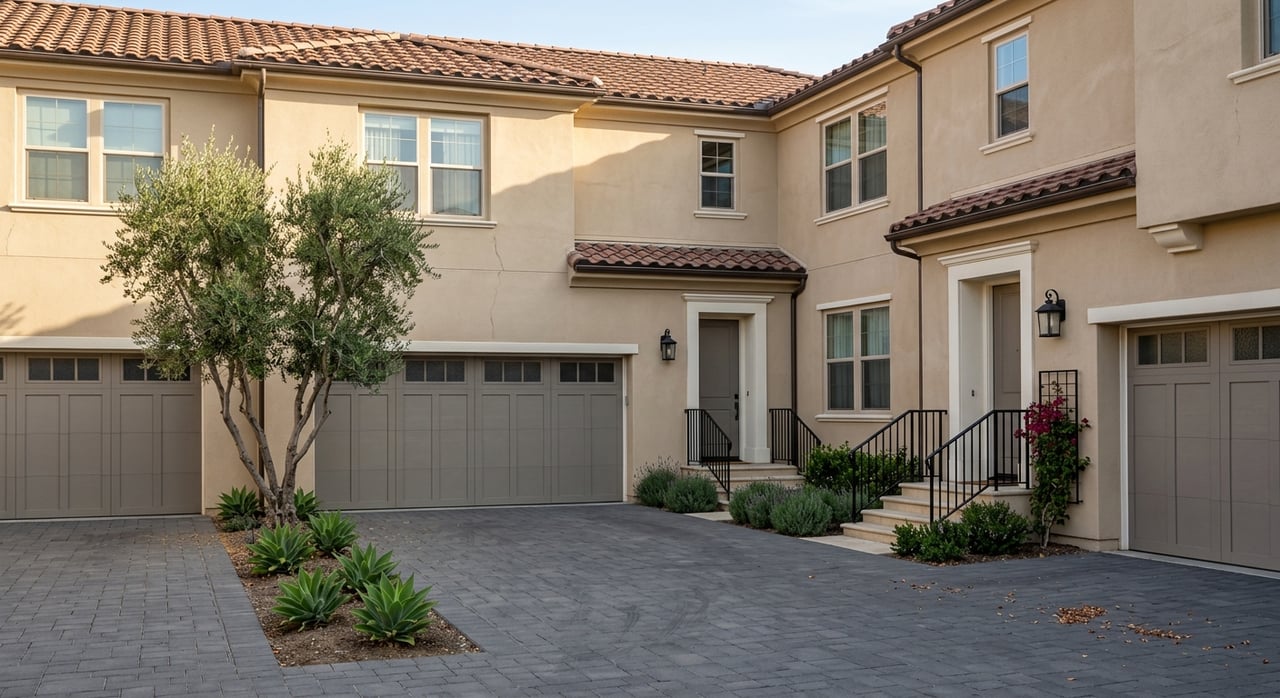
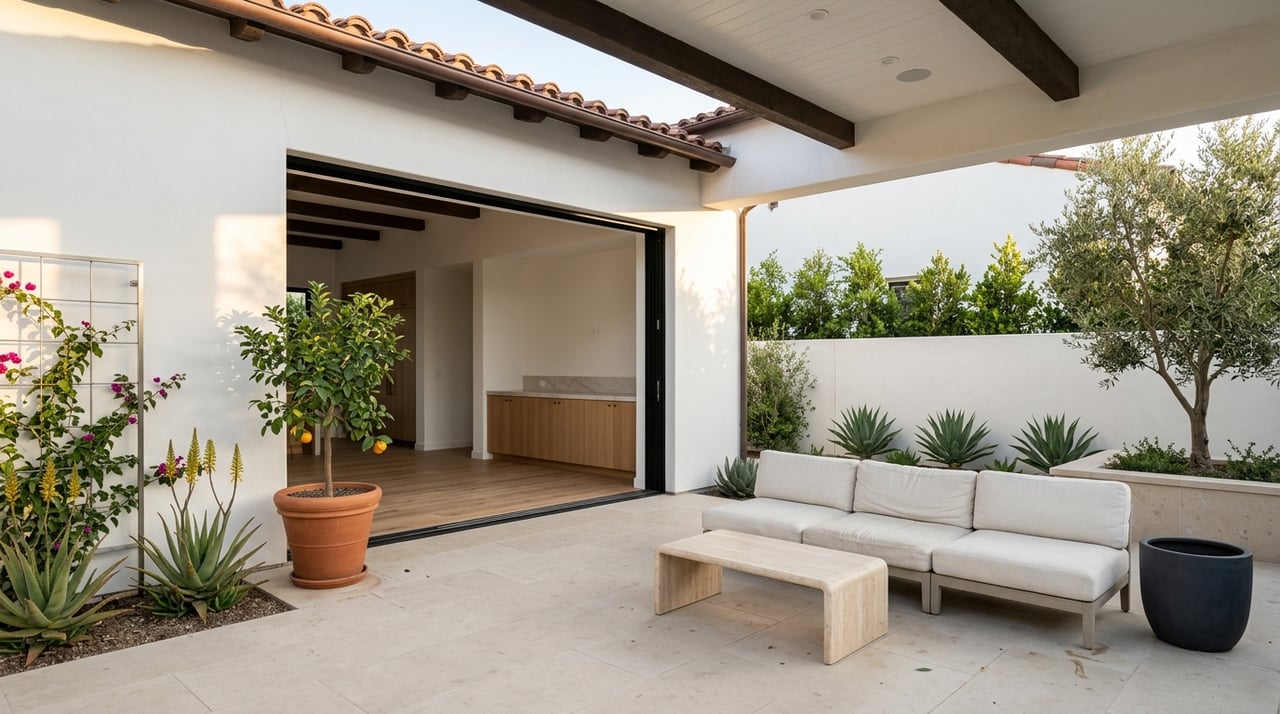
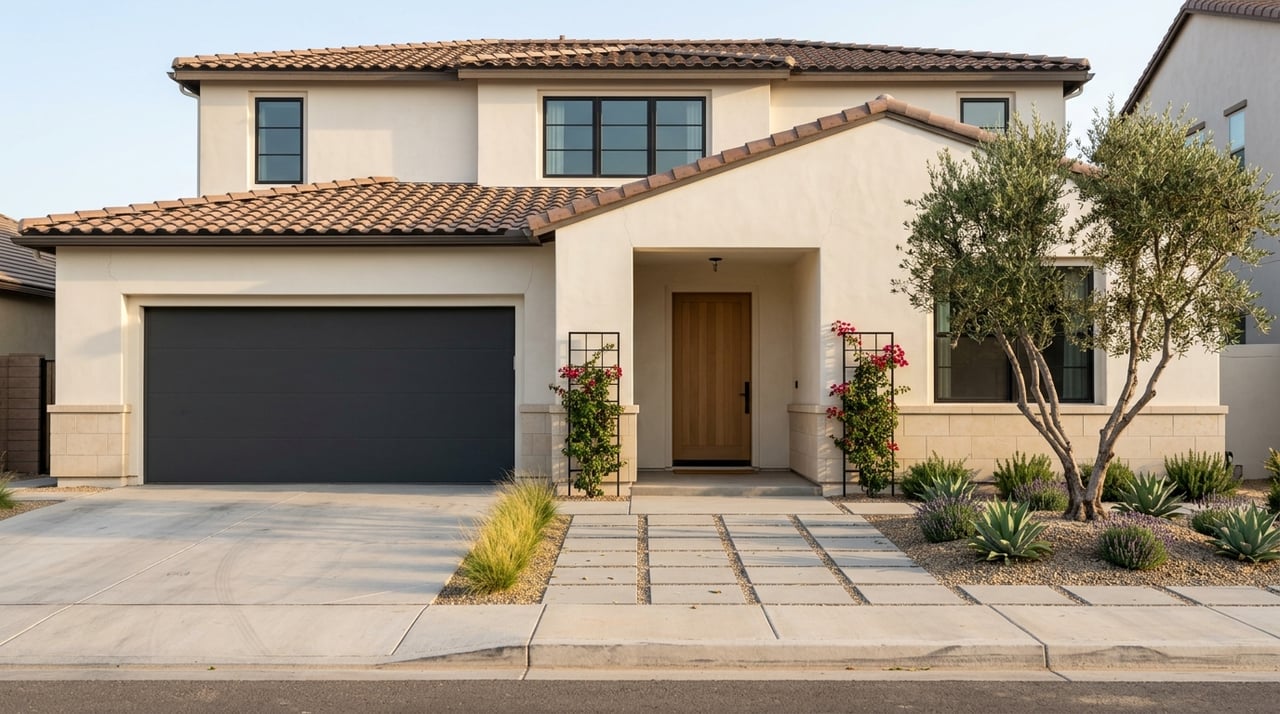
If you are comparing homes in Encinitas, it helps to know that architecture and lot patterns vary quite a bit by subarea. The city’s design standards and land-use analysis show a mix of older beach neighborhoods, planned suburban sections, semirural estates, and newer master-planned areas.
Old Encinitas, Cardiff, and Leucadia
The coast-adjacent communities of Old Encinitas, Cardiff-by-the-Sea, and Leucadia are some of the city’s older established beach areas. The city describes these neighborhoods as primarily single-family, with some multifamily housing closer to the beach, small commercial lots along Highway 101, narrow uncurbed streets, mature landscaping, and a varied architectural character that creates an informal small-town feel.
In practical terms, that often means more visual variety from block to block. The city notes that housing in Cardiff and Old Encinitas includes historic single-family bungalows, while Old Encinitas also includes 1960s and 1970s grid-street neighborhoods and later suburban subdivisions with larger homes set back from the street.
Leucadia has its own distinct mix. Residential uses predominate there, with some multifamily housing, limited specialty retail along Highway 101, and most of the city’s mobile home parks located in that community.
New Encinitas
New Encinitas has a more planned suburban feel. The city describes it as a planned community where single-family residential is the main use, supported by commercial and institutional activity along El Camino Real and Encinitas Boulevard.
Many neighborhoods here were developed through planned developments with low-density single-family homes, some medium-density pockets, and greenbelts or open-space networks. If you want a setting that feels more structured than the older beach streets, New Encinitas may align with that preference.
Olivenhain
Olivenhain offers the most rural-feeling setting in Encinitas. City materials describe it as a rural community with large residential lots, equestrian facilities, open space, recreational trails, rolling hills, and canyons.
The broader land-use analysis characterizes Olivenhain as semirural and pastoral, with historic buildings that support its relaxed atmosphere. If your idea of coastal living includes more land, trail access, and a country-like setting rather than close beach proximity, this area stands apart.
Encinitas Ranch
Encinitas Ranch reflects the newer planned side of the city. It is a specific plan area between I-5 and El Camino Real, with infrastructure and neighborhood systems designed around a more master-planned framework.
The area also includes its own trail system, which adds to the sense of an organized residential environment. Compared with the older neighborhoods west of I-5, Encinitas Ranch tends to appeal to buyers who want a more consistent layout and a neighborhood feel shaped by planned development.
Outdoor Living Goes Beyond the Beach
Encinitas lifestyle is not limited to surf and sand. The city maintains 20 community parks, three sports parks, a skatepark, a 2-acre off-leash dog park, 40 miles of trails, and a public art program with more than 80 pieces, which helps explain why outdoor recreation is woven into daily life here.
City programming also adds to that rhythm with community events such as the Holiday Parade, Movies in the Park, Summer Concerts, and Cyclovia. These details matter because they shape how a place feels between work, errands, and weekends.
Trail access is another major part of the local lifestyle. The city highlights Olivenhain trails, the Encinitas Ranch trail system, Indian Head Canyon, Manchester Preserve, and the San Elijo Lagoon Ecological Reserve as part of its broader outdoor network.
Matching Lifestyle to Home Style
The most helpful way to think about Encinitas is not as one market, but as a collection of different living patterns. According to the city’s land-use analysis, buyers looking for a surf-and-stroll routine will often focus west of I-5, while buyers who want more space, planned layouts, or strong trail access may lean toward New Encinitas, Encinitas Ranch, or Olivenhain.
That is why home search strategy matters here. Your ideal fit may depend less on the city name alone and more on how you want your day to feel, whether that means beach access, walkability, residential quiet, or room to spread out.
Citywide, the housing mix is still dominated by single-family homes at 81.3%, with multifamily at 15.8% and mobile homes at 2.9%. That broad breakdown can be useful as you compare options, especially if you are deciding between detached homes, attached housing, or a lower-maintenance coastal setup.
How to Explore Encinitas Smartly
If you are serious about buying in Encinitas, it helps to tour with a clear framework. Instead of seeing everything through one lens, compare each area based on the lifestyle factors that matter most to you.
Here are a few useful questions to guide your search:
- Do you want to be closer to beach access and Highway 101 activity?
- Is walkability part of your daily routine, or are you comfortable driving more often?
- Do you prefer an eclectic neighborhood with varied home styles or a more planned community layout?
- Would you rather prioritize trail access, open space, or larger lots?
- Are you looking for a single-family home, multifamily option, or another housing type?
A strategic home search in Encinitas starts with those lifestyle priorities first. From there, you can narrow in on the neighborhoods and home styles that support your long-term goals.
Whether you are buying, selling, relocating, or planning your next move in North County, working with a local advisor who understands how each part of Encinitas lives can make your decisions clearer. If you would like tailored guidance on Encinitas neighborhoods, home styles, or your next real estate step, connect with Sue Otto-Calkins.
FAQs
What is coastal living like in Encinitas?
- Coastal living in Encinitas often centers on beach access, outdoor recreation, walkable commercial districts in select areas, and a daily routine shaped by both the shoreline and current ocean conditions.
What home styles can you find in Encinitas?
- Encinitas includes historic bungalows, older grid-street neighborhoods, suburban subdivisions, planned community homes, semirural large-lot properties, multifamily housing, and mobile home parks, depending on the area.
Which parts of Encinitas feel most walkable?
- The city’s planning and zoning materials suggest that walkability is strongest in coastal and corridor-adjacent areas, especially near Highway 101 and certain commercial districts.
How is Olivenhain different from coastal Encinitas neighborhoods?
- Olivenhain is described by the city as more rural and pastoral, with large lots, equestrian facilities, open space, trails, rolling hills, and canyons rather than a beach-centered setting.
What makes New Encinitas different from Old Encinitas?
- New Encinitas has a more planned suburban character with organized residential developments and greenbelts, while Old Encinitas includes older neighborhood patterns and a more varied architectural character.
Are beaches the only outdoor draw in Encinitas?
- No. In addition to beaches, Encinitas offers parks, sports parks, trails, open space, a dog park, a skatepark, public art, and citywide community events.