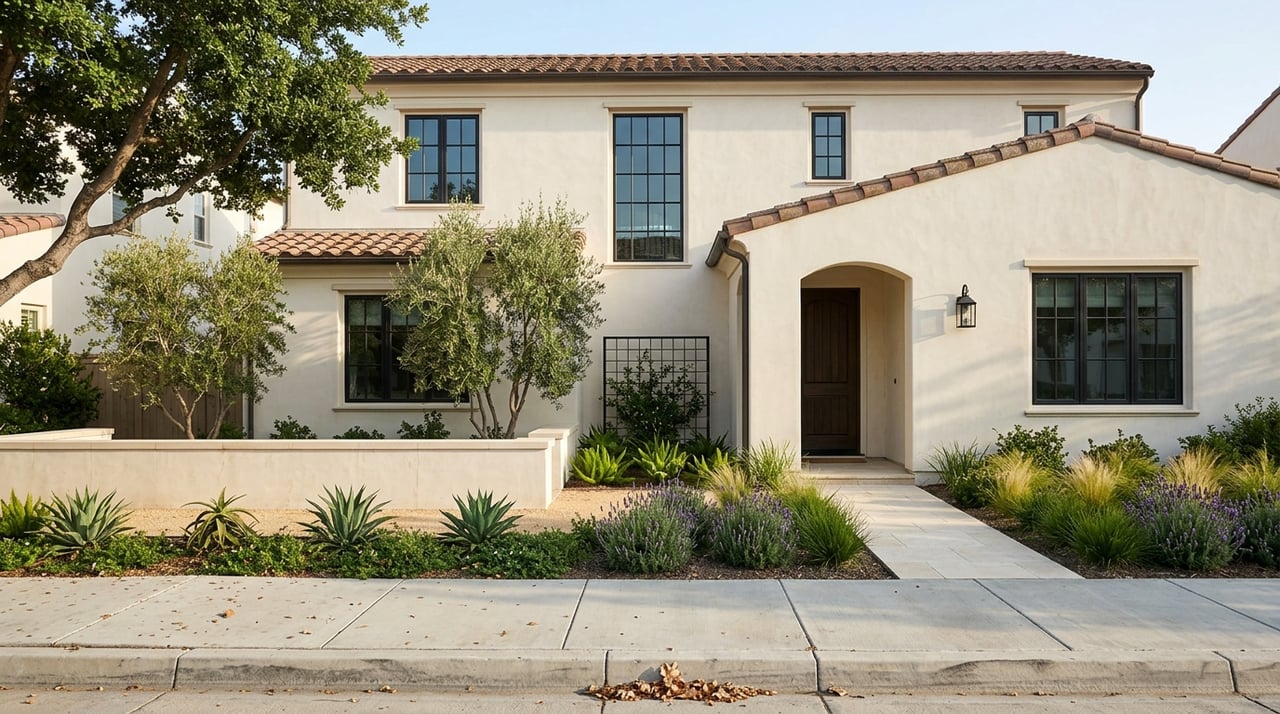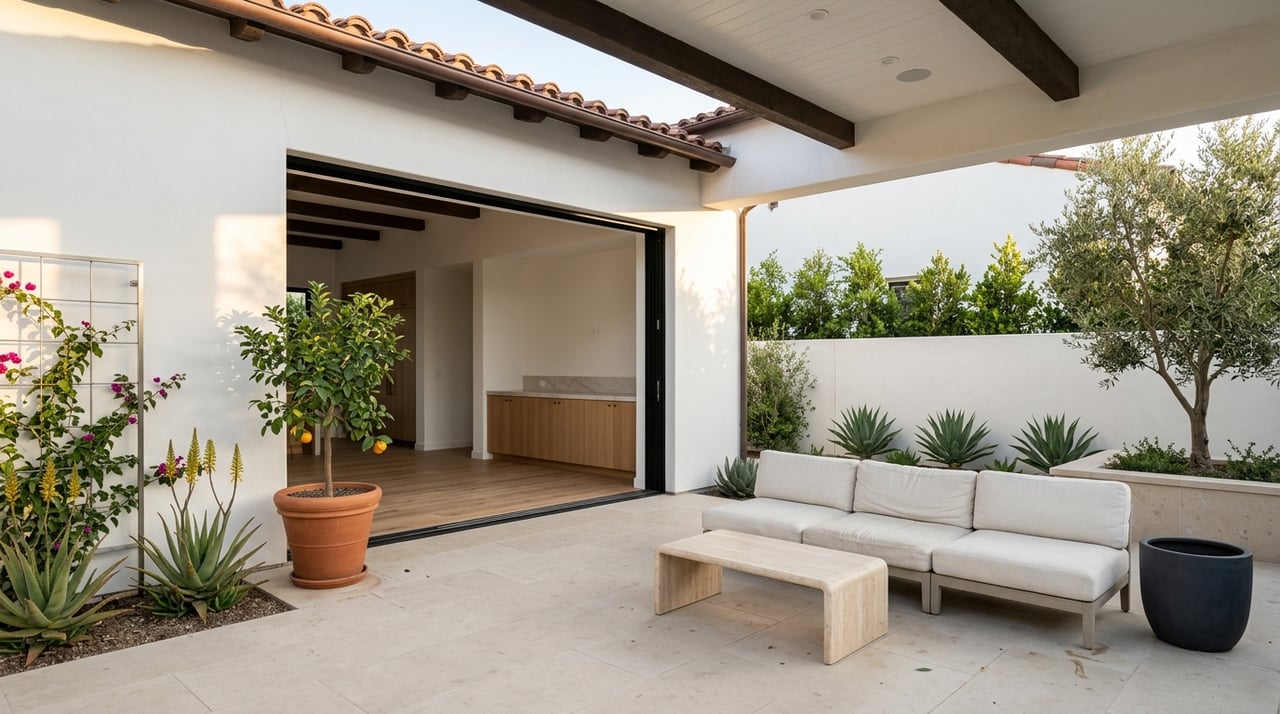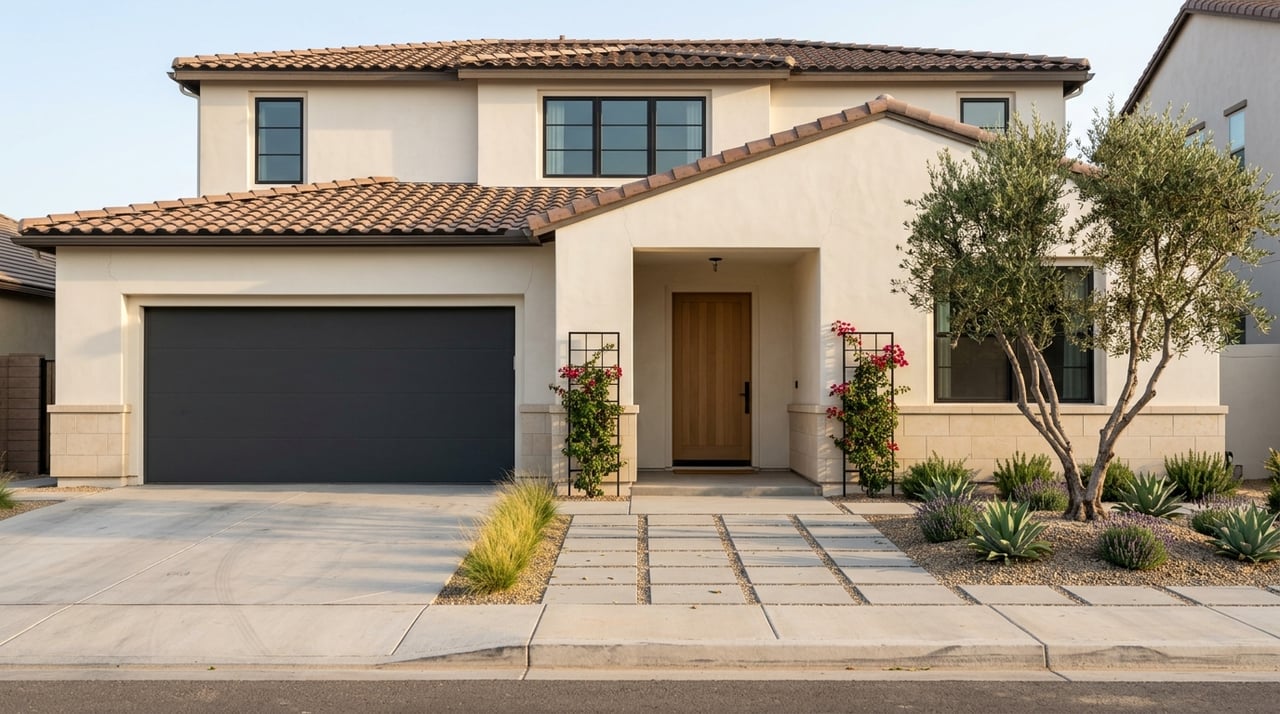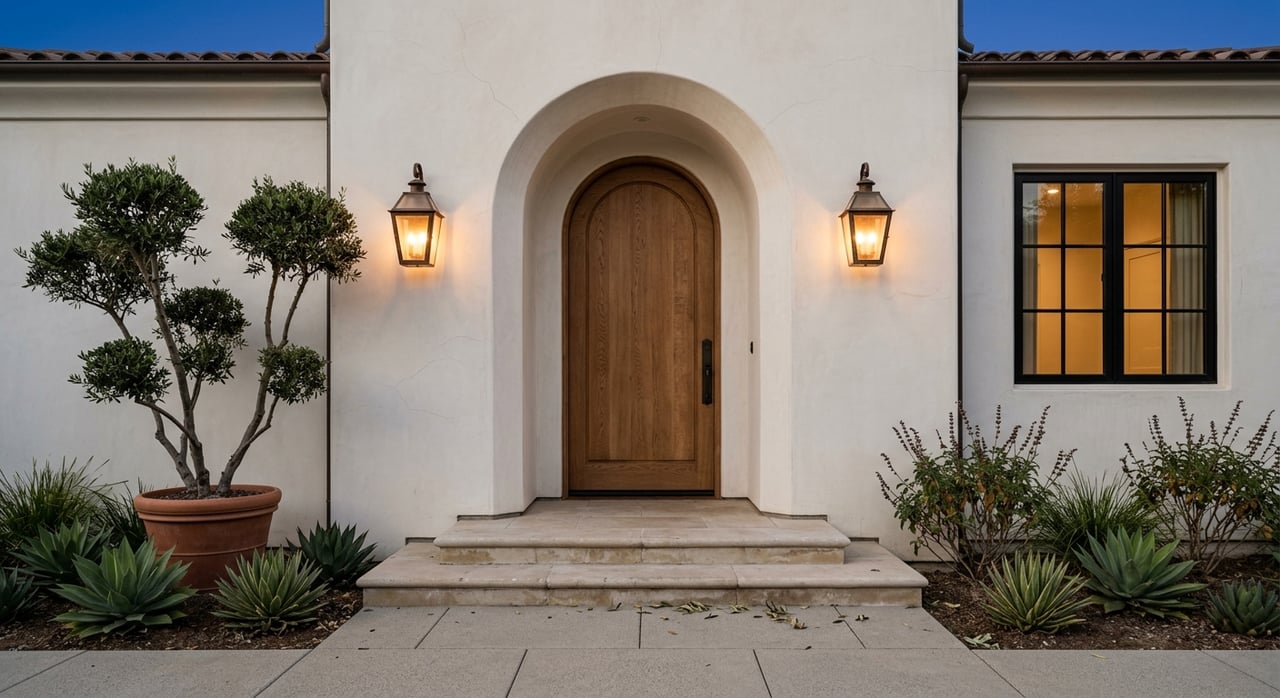
If you are thinking about selling in Carmel Valley, timing is not just about picking a month. It is about making sure your home is fully prepared before it hits the market, especially in an area where well-presented listings can move fast. With Carmel Valley home values and sale prices sitting at the premium end of the San Diego market, a strategic timeline can help you protect value, reduce surprises, and make stronger decisions from day one. Let’s dive in.
Why timing matters in Carmel Valley
Recent market snapshots show a clear pattern: Carmel Valley buyers can move quickly when a home is priced well and presented with care. As of spring 2026, reported median sale and listing prices were around the $2 million mark, while average market time ranged from about 13 to 32 days depending on the source.
That pace matters because your first days on the market often shape the entire sale. If your listing is still catching up on repairs, disclosures, staging, or photography after it goes live, you risk losing momentum during the window when buyers are paying the closest attention.
Start 6 to 12 months ahead
Diagnose the home early
The earliest phase is about learning what you are really selling. A pre-list inspection, or at least a detailed walk-through, can help you spot repair issues before a buyer does.
That extra lead time gives you room to decide what is worth fixing, what is cosmetic, and what should simply be disclosed. It can also reduce surprises during escrow, when late discoveries can create delays or weaken your negotiating position.
Build your disclosure file
In California, disclosures should not be treated as a last-minute paperwork task. Under California Civil Code section 1102.3, the Transfer Disclosure Statement must be delivered as soon as practicable before transfer of title, or before contract execution in a contract-based sale.
If a required disclosure is delivered after acceptance, the buyer can gain a right to cancel within a short time frame. That is one reason early organization matters so much in a Carmel Valley sale.
Review natural hazard disclosures
Natural hazard disclosures also belong in the early planning stage. California’s Natural Hazard Disclosure Statement addresses mapped hazard areas such as earthquake fault zones, seismic hazard zones, high or very high fire hazard severity zones, wildland fire areas, and special flood hazard areas.
These conditions may affect insurance, development, or post-disaster assistance. Gathering this information early helps you avoid a scramble once your home is active or under contract.
Request HOA documents early
If your property is part of an HOA or another common-interest development, document collection should start well before listing week. California law requires certain association documents and disclosures to be provided, and the association has 10 days to provide requested materials after a written request.
That timing alone is a good reason not to leave HOA paperwork until the last minute. Buyers often review these documents closely, so having them ready supports a smoother transaction.
Check for local district notices
Some San Diego properties may also require special tax or assessment district notices. The City of San Diego says sellers in a Community Facilities District or special assessment district must make a good-faith effort to obtain the disclosure notice and provide it to the buyer.
If your Carmel Valley property is affected, this should be part of your early prep file. It is much easier to solve now than during closing week.
Watch for older-home requirements
If your home was built before 1978, there is another important disclosure step. Sellers of most pre-1978 housing must disclose known lead-based paint information, provide the required EPA pamphlet, and allow the buyer a 10-day opportunity to test for lead-based paint or related hazards before contract signing.
This may not apply to every Carmel Valley property, but if it applies to yours, it should be planned for early.
Do not overlook newer disclosures
California also added newer disclosure items that sellers can miss if they rely on an old checklist. These include written disclosure of known state or local requirements or restrictions related to future replacement of gas-powered appliances, along with written disclosure of known tobacco or nicotine residue or a history of smoking on the property.
A complete, current disclosure file helps reduce avoidable risk. It also shows buyers that your sale is being handled with care and transparency.
Focus on launch readiness 4 to 8 weeks out
Shift from planning to presentation
About one to two months before listing, your focus should move from diagnosis to execution. This is the stage for light cosmetic improvements, touch-up paint, deep cleaning, landscaping, decluttering, vendor scheduling, pricing review, and final marketing preparation.
The goal is simple: your home should feel finished before launch, not during the first weekend on the market. In a fast-moving Carmel Valley environment, buyers often form opinions quickly.
Stage with purpose
Staging is not about making your home look artificial. It is about helping buyers understand the space, flow, and lifestyle potential of the property.
According to NAR’s 2025 home staging research, 83% of buyers’ agents said staging made it easier for buyers to visualize a property as a future home. Nearly half of sellers’ agents also said staging reduced time on market.
Treat photography as strategy
Photography should happen only after the home is fully ready. That means clean surfaces, better lighting, edited landscaping, and staging already in place.
This is not a small detail. NAR reported that 81% of buyers rated listing photos as the most useful feature in online home search, and 52% of buyers found the home they purchased online. Your first photo set is a core part of your launch strategy.
Finalize media carefully
If your marketing package includes virtual staging or AI-edited images that materially change the appearance of the property, California’s Department of Real Estate says clear disclosure is required. That means the media package should be reviewed carefully before your listing goes live.
This step is easy to underestimate. In practice, it is part of presenting the home accurately while still marketing it at a high level.
Listing week is your moment
Launch clean and confident
Once your Carmel Valley home is live, the market may respond quickly. Recent reporting showed average market time around 16 days in one dataset, median days on market of 32 in another, and median time to pending of 13 days in another.
The exact numbers vary, but the takeaway is consistent. Serious buyers in Carmel Valley can act fast when the pricing, condition, and presentation align.
Make the first week count
That is why listing week should feel coordinated, not chaotic. Your pricing strategy, listing copy, photography, showing plan, and disclosures should already be in place so buyers can engage with confidence.
In many cases, the first week sets the tone for the entire sale. Strong early interest can create leverage, while a rushed launch can make even a strong property feel less compelling.
After acceptance, escrow takes over
Understand the escrow role
Once you accept an offer, escrow becomes the coordination hub. In California, the Department of Real Estate describes escrow as a neutral third party that holds funds and documents until all agreed conditions are met.
Escrow is commonly handled by an independent escrow company or a title insurance company. As the seller, you should expect to sign closing documents and coordinate timing with the escrow officer and any other parties involved.
Keep paperwork and timing tight
Even after your part feels done, buyer-side milestones can still affect closing. For example, buyers must receive the Closing Disclosure at least three business days before closing, so late changes can push the timeline out.
This is one reason clear communication and a clean paper trail matter so much once you are in escrow. Missing documents or delayed responses can create avoidable friction.
Confirm local closing items
Before signing, local closing costs and recording items should also be confirmed. In San Diego County, documentary transfer tax is collected at recording on taxable conveyances.
If the property is affected by district notices or similar items, those may also be part of the closing package. Handling these details early supports a cleaner finish.
Where full-service guidance matters most
Selling a Carmel Valley home is rarely just about putting a sign in the yard. It is a sequence of decisions around repairs, timing, disclosures, staging, pricing, marketing, showings, negotiations, and escrow management.
That is where hands-on guidance can make a real difference. A strong listing strategy helps you decide what to fix, when to invest in presentation, how to prepare the home for photos, how to launch with confidence, and how to keep the transaction moving once you are under contract.
For many sellers, the real value is not just exposure. It is having one clear plan and one accountable point of coordination from prep through closing.
If you are thinking about selling in Carmel Valley, the smartest move is usually to start earlier than you think you need to. A well-timed plan can help you present the home at its best, avoid preventable delays, and make the most of buyer demand in this market. When you are ready for a strategic, hands-on selling plan, connect with Sue Otto-Calkins.
FAQs
When should you start preparing to sell a home in Carmel Valley?
- A smart timeline often starts 6 to 12 months before listing so you have time to evaluate repairs, gather disclosures, request HOA documents if needed, and make decisions without pressure.
Why does launch timing matter for a Carmel Valley home sale?
- Carmel Valley listings can move quickly, with recent reports showing market times from about 13 to 32 days, so your home should be fully prepared before it goes live.
What disclosures matter when selling a home in Carmel Valley, California?
- Common items can include the Transfer Disclosure Statement, Natural Hazard Disclosure Statement, HOA or common-interest development documents if applicable, special district notices if applicable, and other required California disclosures based on the property.
Should you stage a Carmel Valley home before listing it?
- Staging can help buyers better visualize the property, and NAR research found that many agents believe staging improves buyer perception and can reduce time on market.
When should listing photos be taken for a Carmel Valley home sale?
- Photos should be scheduled after decluttering, cleaning, light cosmetic work, and staging are complete so your first online impression supports the strongest possible launch.
What happens after you accept an offer on a Carmel Valley home?
- After acceptance, escrow coordinates documents, funds, and closing steps while you work through any remaining seller paperwork, signing requirements, and timeline items needed to reach closing.