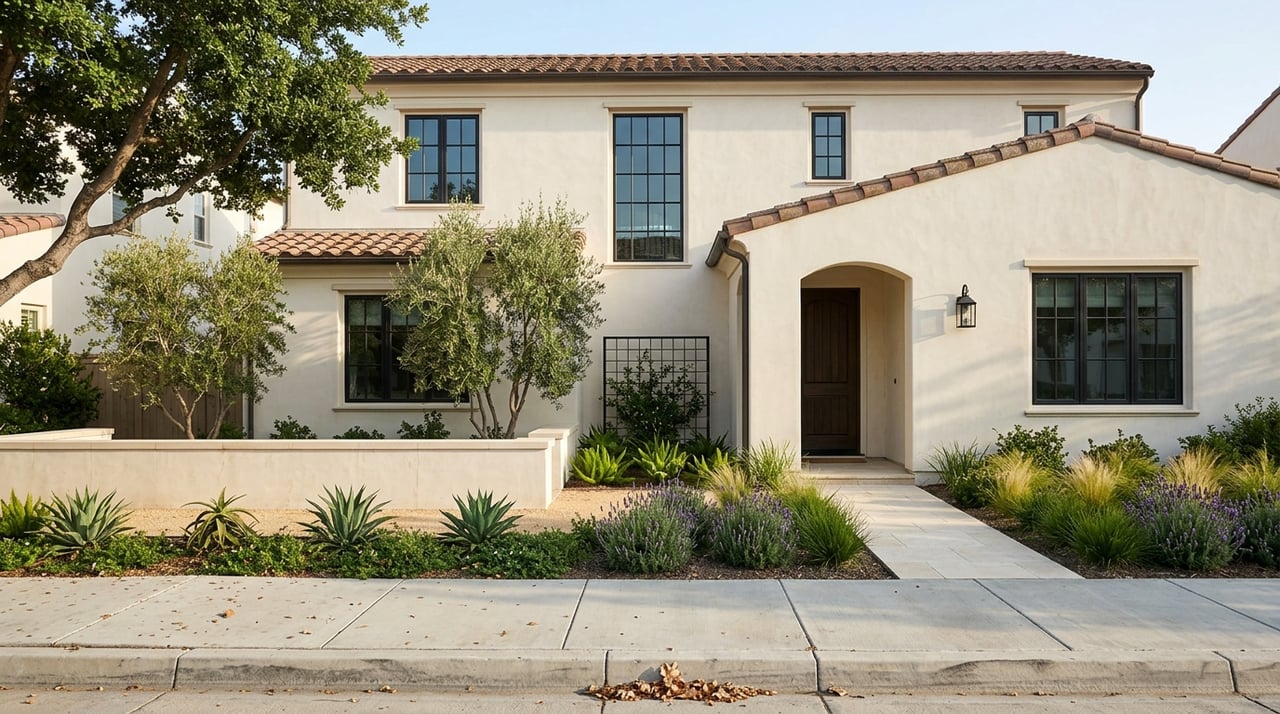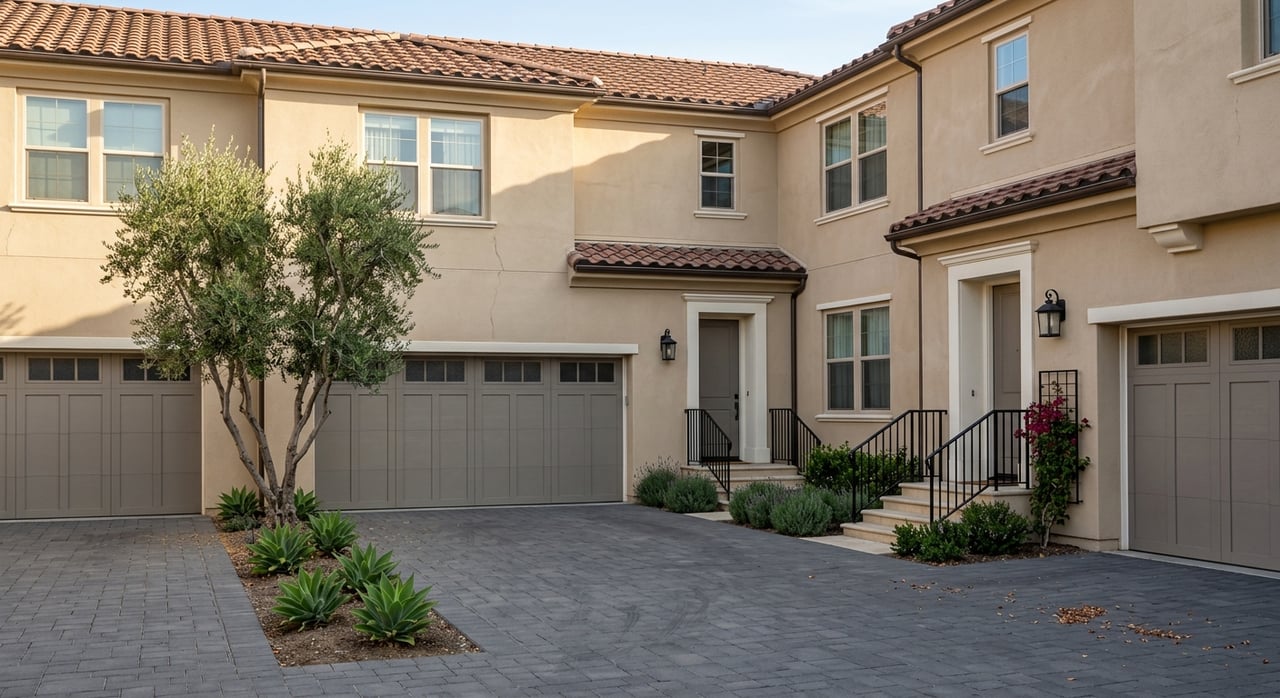
Trying to choose between a townhome and a house in Carmel Valley? You are not alone. For many buyers, this decision shapes not just the purchase price, but also your monthly costs, maintenance load, privacy, and long-term flexibility. In Carmel Valley, the gap between these two property types is large enough that the choice deserves a careful, local look. Let’s dive in.
Carmel Valley at a Glance
Carmel Valley is a master-planned community along the I-5 corridor in San Diego. The area includes shopping, restaurants, corporate offices, hotels, parks, trails, open space, a recreation center, and city facilities like a fire station, police station, and library.
That planning matters when you compare a townhome versus a detached house. Carmel Valley was designed with a mix of higher-density housing near its urban core while preserving canyon and open-space areas. As a result, both townhomes and houses can make sense here, depending on how you want to live.
Price Differences in Carmel Valley
The biggest difference for most buyers is price. Local MLS data for June 2026 in 92130 shows a year-to-date median sale price of $2,700,500 for detached homes and $1,025,000 for attached homes, which includes townhouse-condo properties.
That means detached homes are roughly $1.68 million higher than the attached median. They are also about 2.63 times the price of the attached segment. In a market like Carmel Valley, property type is one of the clearest levers you can pull to adjust your housing budget.
Both segments were still moving in under six weeks on average, which shows demand remains active across property types. So if you already know Carmel Valley is your target, the question becomes less about whether buyers want the area and more about which ownership model fits your goals.
Why a Townhome May Make Sense
A townhome often appeals to buyers who want a lower entry price and a simpler day-to-day ownership experience. If you want to be in Carmel Valley but need to manage your monthly costs carefully, a townhome can create a more accessible path into the neighborhood.
Townhomes also tend to work well for buyers who prefer a smaller footprint and less exterior upkeep. For some people, that means more freedom to travel, easier lock-and-leave living, or less weekend time spent on yard work and exterior maintenance.
In Carmel Valley, shared community amenities can also offset the need for a larger private outdoor space. The local recreation center offers outdoor courts, tennis courts, a pool, a gym, a multipurpose field, picnic areas, and a playground. The branch library also includes patio and outdoor sitting space.
Townhome Trade-Offs to Know
The convenience of a townhome usually comes with shared governance. In a common-interest development, you can expect rules, fees, and approvals to shape what you can do with the property.
That can affect exterior changes, rentals, renovations, and maintenance responsibilities. California common-interest developments are governed through documents such as CC&Rs, assessment disclosures, reserve summaries, and public reports, so understanding those materials is a key part of townhome due diligence.
Why a Detached House May Make Sense
A detached house usually offers more privacy, more separation from neighbors, and more direct control over the property. If you want a private yard, more room for outdoor living, or the ability to personalize your home over time, a detached home often gives you more flexibility.
For some buyers, that added space supports practical goals. You may want more room for gardening, pets, entertaining, or simply a greater sense of privacy. In Carmel Valley, those benefits often come at a much higher purchase price, but for the right buyer, the trade-off is worth it.
Detached homes can also be the better fit if you expect your needs to change over time. If you are thinking ahead to remodeling, adding living space, or exploring future ADU options, detached ownership generally gives you more autonomy, subject to city rules and permits.
ADU and Expansion Flexibility
San Diego requires permits for new structures and many improvements. Under current city rules, a property with an existing or proposed single-family home may include one JADU, one converted ADU, and one detached or attached ADU, subject to code and zoning limits.
That does not mean every detached home will qualify the same way. Lot size, setbacks, zoning, and other site-specific factors still matter. But compared with a townhome, a detached house usually gives you a broader path for future changes.
Monthly Cost Is More Than the Price Tag
It is easy to focus on list price, but your true monthly cost may look very different from one property to another. In Carmel Valley, this is especially important because attached homes may carry HOA dues, while some properties may also be subject to Mello-Roos or other special taxes.
If you are comparing a townhome to a house, look at the full cost structure. That includes mortgage payment, property taxes, insurance, HOA dues if any, and any special assessments or parcel-specific taxes.
California authorizes Mello-Roos special tax districts to help finance public facilities and services in developing areas. That is why buyers should review the parcel-specific tax bill and disclosure packet rather than assuming the list price tells the whole story.
HOA Questions Matter More Than Many Buyers Expect
If you are considering a townhome, HOA review is not just a box to check. It is one of the most important parts of your decision.
California law requires important disclosures before closing in common-interest developments. Buyers should expect to receive governing documents, current regular and special assessments, unpaid charges or fines, approved but not-yet-due assessment changes, rental restrictions, and other HOA disclosures. If requested, recent board minutes must also be provided.
Reserve funding deserves close attention too. The annual HOA budget package must include reserve-related disclosures, including whether a special assessment may be needed, and reserve studies must inspect major components at least every three years and be reviewed annually.
Insurance is another area that deserves a careful look. California disclosure language warns that an association’s policies may not cover your personal property or improvements, and deductibles can still affect you as the owner.
Smart HOA Questions to Ask
When touring a townhome, ask clear questions such as:
- What does the monthly HOA fee cover?
- Are there any current or likely special assessments?
- What does the reserve summary show?
- Are there rental limits, occupancy restrictions, or other use rules?
- Who handles roofs, decks, balconies, fences, paint, gutters, and other exterior items?
- Have there been recent defects, litigation, or unresolved violations?
These answers can significantly change the value of what looks like a lower-priced home.
Lifestyle Fit Often Decides It
For many buyers, this choice is really about autonomy versus convenience. A townhome may be the better fit if you want a lower purchase price, less exterior maintenance, and a more compact lifestyle.
A detached house may be the better fit if you want more privacy, more outdoor space, and more flexibility to adapt the property over time. Neither option is objectively better. The right choice depends on what you want your daily life and future plans to look like.
Carmel Valley is well-suited to both paths. Its parks, trails, recreation amenities, shopping, and city services help support a range of ownership styles, which is part of what makes the community appealing to so many buyers.
Questions to Ask on Any Carmel Valley Tour
Whether you are touring a townhome or a detached house, a few local questions can help you compare options more clearly:
- Is the parcel subject to Mello-Roos or another special tax?
- What is the amount on the current tax bill?
- If there is an HOA, what exactly is included in the dues?
- Are there any planned assessment changes or special assessments?
- Are there lot-specific constraints, easements, or planned-district issues?
- If you are considering future changes, is there enough room and zoning flexibility for them?
These are not just technical details. They directly affect your monthly budget, future options, and overall comfort with the purchase.
A Practical Way to Decide
If you are torn between a townhome and a house in Carmel Valley, start by ranking your top priorities. Focus on what matters most to you today and what may matter even more five years from now.
A simple framework can help:
- Choose a townhome if your top priorities are lower entry price, less exterior maintenance, and shared amenities.
- Choose a detached house if your top priorities are privacy, yard space, and long-term flexibility.
- Pause and compare full monthly costs if the decision feels close.
- Review disclosures carefully before assuming one option is the better value.
The sticker price is only part of the decision. The better choice is the one that fits your budget, comfort level, and future plans with the least friction.
If you want help comparing Carmel Valley homes with a clear strategy and careful due diligence, Sue Otto-Calkins can help you weigh the real costs, lifestyle trade-offs, and next steps with confidence.
FAQs
What is the main price difference between a townhome and house in Carmel Valley?
- Local June 2026 MLS data for 92130 shows a year-to-date median of $1,025,000 for attached townhouse-condo properties and $2,700,500 for detached homes.
What should you check before buying a Carmel Valley townhome?
- You should review HOA dues, special assessments, reserve funding, governing documents, rental restrictions, insurance disclosures, and board minutes if requested.
Why do Carmel Valley buyers ask about Mello-Roos?
- Mello-Roos can add to your monthly ownership cost, so it is important to verify the parcel-specific tax bill and disclosures for any home you are considering.
When is a detached house in Carmel Valley worth the higher price?
- A detached house may be worth the higher price if you value more privacy, yard space, and greater flexibility for remodeling or future ADU planning.
Do Carmel Valley amenities make a townhome easier to choose?
- They can, because local amenities like parks, trails, the recreation center, and library may reduce the need for a large private yard for some buyers.