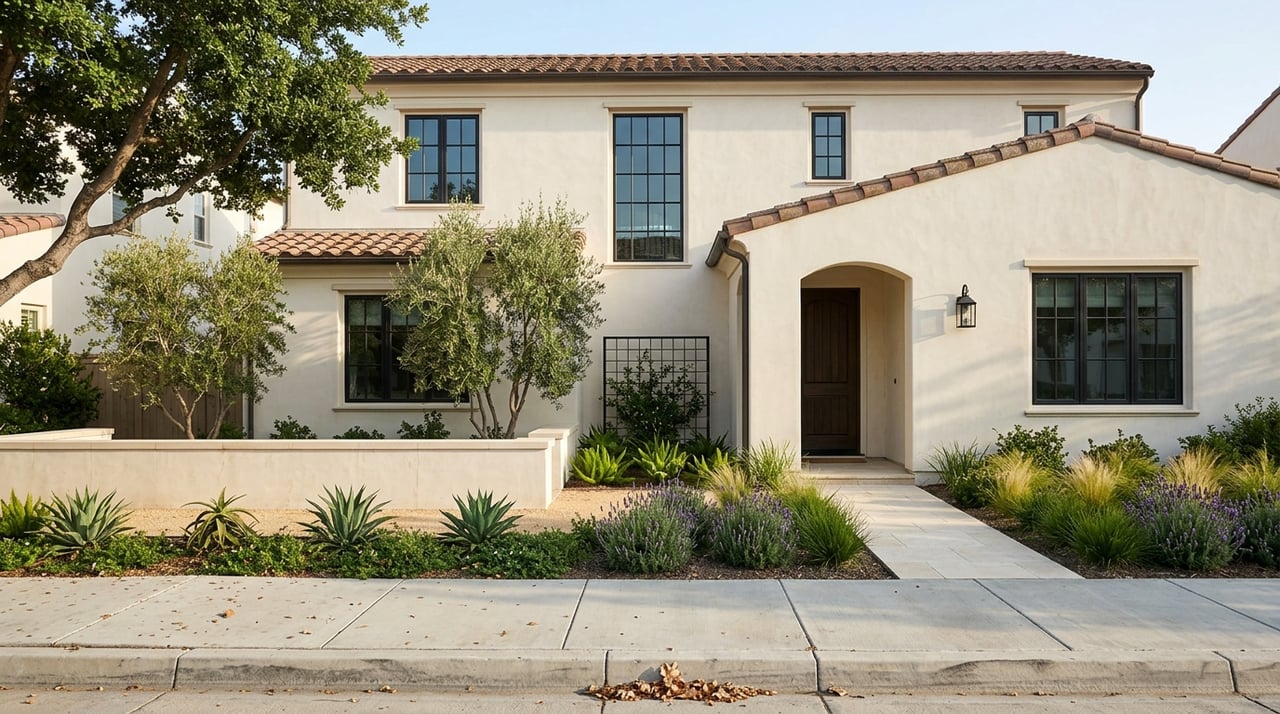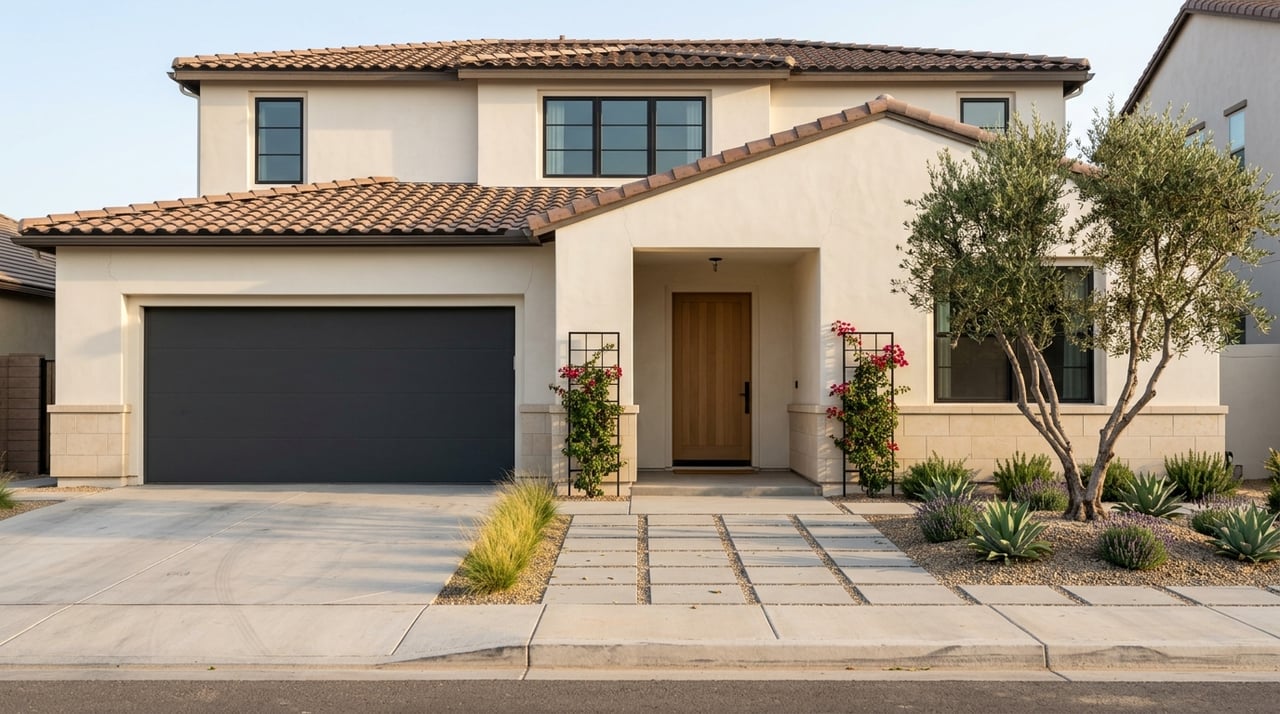
A move out of Rancho Santa Fe can look simple from the outside, but in practice it often works best as a carefully managed project. If you are balancing a sale, a purchase, tax questions, downsizing, and dozens of moving details, it is easy to feel pulled in too many directions at once. The good news is that a smooth move usually comes down to smart sequencing and early preparation. Here is a calm roadmap to help you plan your next step with more confidence.
Why Rancho Santa Fe moves need planning
Rancho Santa Fe is not a market where broad headlines always tell the full story. In ZIP code 92067, the May 2026 SDAR local market update showed a year-to-date median sales price of $4.55 million, year-to-date days on market of 59, and 6.6 months of inventory.
That matters because a smaller, high-value market can shift quickly from month to month. The same SDAR report notes that percentage changes can look dramatic when the number of sales is limited. For you, the practical takeaway is simple: a move from Rancho Santa Fe usually benefits from a longer runway and close attention to hyper-local comparable sales.
Public market snapshots also vary. Redfin reported a March 2026 median sale price of $3.2 million, while Realtor.com showed a median listing price of $5.5 million and an average of 58 days on market. That range is another reason to avoid making major timing decisions based on a single headline number.
Start with your destination first
Before you decide when to list, focus on where you are going next. Your destination affects nearly every other decision, including your timing, your packing plan, your tax questions, and whether you need temporary housing.
If you are buying another home, your strategy may be very different than if you are moving into a rental or relocating out of the area. Knowing the destination first helps you work backward with fewer surprises. It also gives you a clearer filter for what to keep, what to let go of, and what kind of timeline you need.
For many homeowners, this is the step that reduces the most stress. Once your next landing place is clear, the rest of the move becomes much easier to organize.
Buying before selling in California
You may be wondering if you can buy first and sell later. In many cases, yes, but if Proposition 19 may apply to your move, the timing matters.
According to the California Board of Equalization, the base-year-value transfer claim is filed after both transactions are complete and after you occupy the replacement home. It is not handled through escrow. The BOE also says that if you buy the replacement home first, you are responsible for taxes based on that home’s full fair-market value until your original home sells.
The original home must be sold within two years for the transfer to apply. San Diego County’s Assessor also notes that Proposition 19 changed several property tax savings programs and directs homeowners to the county assessor for questions. This is especially relevant if you are age 55 or older, disabled, or a qualifying disaster victim.
Build your timeline backward
Once you know your destination, create a reverse timeline. This helps you avoid trying to do everything at once during the final few weeks.
A practical move timeline often includes these phases:
- Confirm your next housing plan
- Review sale timing and local comparable sales
- Decide what needs to be repaired, improved, staged, or removed
- Begin sorting and downsizing room by room
- Schedule mover, hauler, donation pickups, or specialty help
- Prepare for closing paperwork and transfer documents
- Submit address changes and notify service providers
In Rancho Santa Fe, early planning can be especially helpful because inventory levels and market timing may affect how long your sale takes. With 6.6 months of inventory reported in the May 2026 SDAR update for 92067, giving yourself more breathing room can make the transition smoother.
Declutter for the next home
One of the most useful mindset shifts is this: decide what fits your next home before you decide how to pack your current one. That sounds simple, but it can save time, money, and frustration.
AARP’s decluttering guidance recommends working in short sessions, setting specific goals, and tackling one space at a time. It also suggests sorting items into clear categories such as Keep, Trash, and Donate. That approach works well when a move feels emotionally or physically overwhelming.
It also helps to think about your current season of life. Instead of storing things just because they once mattered, focus on what has a clear purpose in your next home. If something goes into storage, it should ideally have a defined use or a firm future decision date.
When to bring in extra help
If the home is large, the deadline is fixed, or the sorting process feels heavy, outside support may be worth considering. The National Association of Senior and Specialty Move Managers describes these professionals as people who help older adults and families organize, declutter, downsize, relocate, or age in place.
That kind of help can be valuable when you want structure and guidance without carrying every decision alone. It can also support adult children or family members who are helping manage a parent’s move from a distance.
In a complex move, the goal is not just getting packed. The goal is making good decisions in the right order so your next chapter starts with less clutter and less stress.
Handle hazardous items correctly
Every move uncovers items that cannot go in the regular trash. Paint, old cleaners, batteries, electronics, propane cylinders, fluorescent lamps, medications, motor oil, and sharps all require special handling.
San Diego’s household hazardous waste guidance says improper disposal is illegal. The city also points residents to PaintCare for leftover paint. For San Diego County residents in unincorporated areas, the county household hazardous waste guidance line can help direct the next step.
Special services may also be available for elderly or disabled residents without transportation. This is a good task to handle early, since hazardous items often delay garage clean-outs and final move prep.
Stay on top of closing paperwork
On the sale side, timing is not only about the market and the movers. It is also about paperwork that supports a clean transfer.
The California Board of Equalization says a Preliminary Change of Ownership Report, often called a PCOR, normally accompanies recorded deeds. If it is omitted or incomplete, additional recorder fees or assessor follow-up can apply. San Diego County’s form also confirms that a PCOR must be filed with each conveyance in the county recorder’s office for the county where the property is located.
This is one reason a well-managed move plan matters. Small paperwork details can create avoidable delays if they are left until the last minute.
Update your address in the right places
After the physical move, there is still an administrative side to finish. Address updates should be handled as a separate checklist rather than a last-minute afterthought.
USPS says you can submit a change-of-address request 90 days before your move and up to 30 days after. Temporary mail forwarding can last up to 185 days, with a total temporary-forwarding cap of 12 months.
USPS also recommends notifying the following directly:
- Utilities
- Internet and phone providers
- Insurance carriers
- DMV
- Banks
- Credit card companies
For California drivers, the DMV requires address updates within 10 days. The DMV also notes that changing one address does not automatically update every record, and it does not issue new license or registration documents just because your address changed.
For Social Security and Medicare, address updates depend on your status. If you do not receive benefits, SSI, or Medicare, you do not need to update your address with Social Security. If you do receive benefits or Medicare, address changes can be made through my Social Security or by contacting Social Security.
Keep the move calm with a simple order
When a move feels complicated, the easiest fix is often better sequencing. Start with the destination, then work through timing and tax questions, then decluttering and disposal, and finally address changes and service handoffs.
That order can prevent many common problems, especially when you are coordinating a Rancho Santa Fe sale with your next purchase or relocation plan. It also gives you more room to make thoughtful decisions about pricing, presentation, paperwork, and timing.
If you want a move that feels less reactive and more strategic, early coordination is your advantage. And in a market as specific as Rancho Santa Fe, local guidance can make that process much more efficient.
If you are preparing for a move from Rancho Santa Fe and want a steady, hands-on plan for pricing, presentation, timing, and next steps, connect with Sue Otto-Calkins.
FAQs
How far ahead should I start planning a move from Rancho Santa Fe?
- A longer runway is usually helpful because Rancho Santa Fe is a smaller, high-value market, and the May 2026 SDAR update for 92067 reported 6.6 months of inventory.
Can I buy a replacement home before selling my Rancho Santa Fe home?
- Yes, but if Proposition 19 may apply, the California Board of Equalization says you may pay taxes based on the replacement home’s full fair-market value until your original home sells, and the original home must be sold within two years for the transfer to apply.
What paperwork matters when selling a home in San Diego County?
- A Preliminary Change of Ownership Report typically accompanies the recorded deed, and if it is omitted or incomplete, additional recorder fees or assessor follow-up can apply.
What should I do with leftover paint, batteries, or old chemicals during a Rancho Santa Fe move?
- Use San Diego household hazardous waste or PaintCare options for accepted items such as paint, batteries, cleaners, electronics, motor oil, pesticides, medications, and fluorescent lamps instead of putting them in the trash or down the drain.
When should I submit a USPS change of address for a move from Rancho Santa Fe?
- USPS says you can submit a change-of-address request 90 days before the move and up to 30 days after.
What address updates should I make after moving from Rancho Santa Fe?
- In addition to USPS, update utilities, internet and phone providers, insurance carriers, DMV, banks, and credit card companies, and update Social Security or Medicare only if those benefits apply to you.