If you are thinking about buying in La Jolla, you already know this is not a market where broad averages tell the whole story. One block, one view corridor, or one set of HOA documents can change how a property lives and what it may cost you over time. This guide will help you understand the key trade-offs, timing, and due diligence steps so you can buy with more clarity and confidence. Let’s dive in.
La Jolla Is A Small, Built-Out Market
La Jolla is a compact coastal community of roughly 5,700 acres with about 32,000 residents. The City of San Diego identifies it as centered around the Village, the Shores, and Bird Rock, with terrain shaped by beaches, ocean bluffs, steep canyons, hillsides, and Mount Soledad.
That physical setting matters because La Jolla is also about 99 percent built out according to the community plan. In practice, that means you are usually comparing existing homes, remodeled properties, condo communities, and infill opportunities rather than large new areas of development. Small differences in lot shape, parking, walkability, and renovation potential can have a big effect on value.
Expect Premium Pricing And Fast Decisions
La Jolla remains one of San Diego County’s higher-priced coastal markets. Recent market sources cited median listing prices around $2.80 million, median sale prices around $2.4 million, and average home values around $2.46 million.
Those numbers are not identical because they measure different things, but they point in the same direction. You should go into your search expecting premium pricing, meaningful competition for standout properties, and a market where preparation matters.
Recent reports also show homes going pending in about 30 to 38 days. That does not mean every home moves quickly, but it does mean the best-matched homes can attract attention fast, especially when location, view, condition, and usability line up well.
La Jolla Has More Housing Variety Than Many Buyers Expect
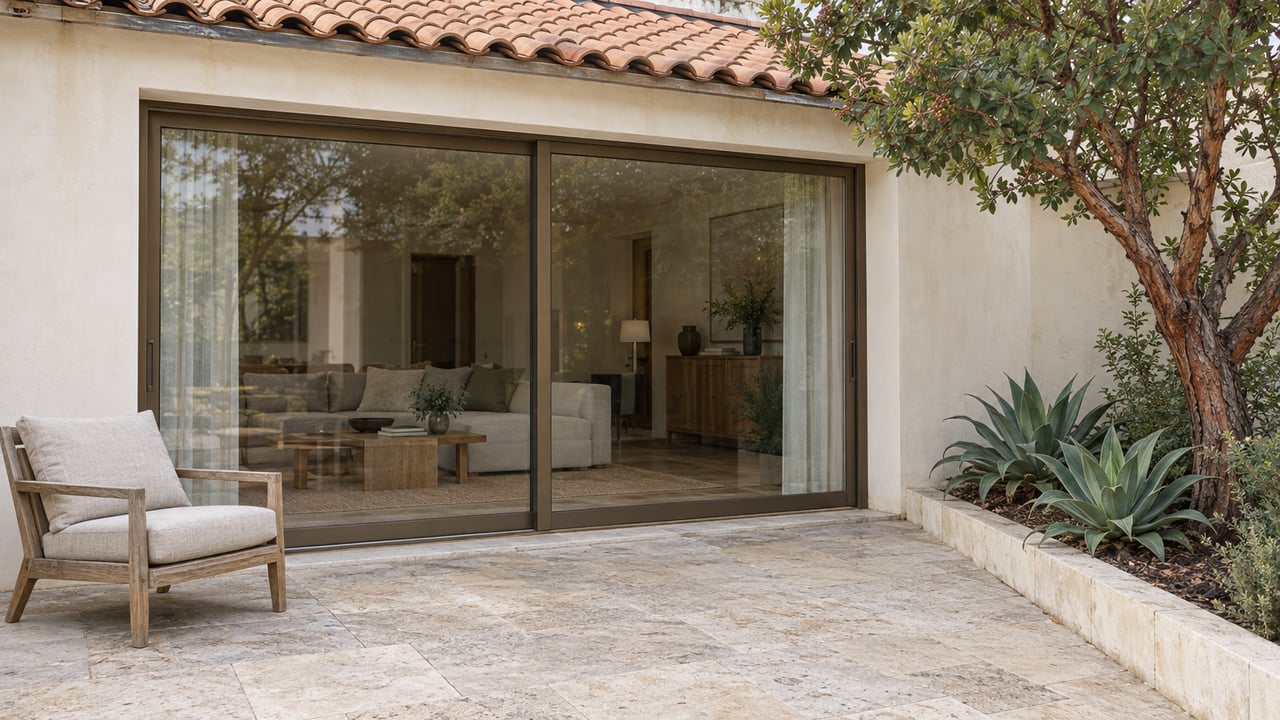
Many buyers picture only large oceanfront estates, but La Jolla offers a broader mix. Recent neighborhood data showed condos, townhouses, and a smaller number of multi-family listings alongside detached homes.
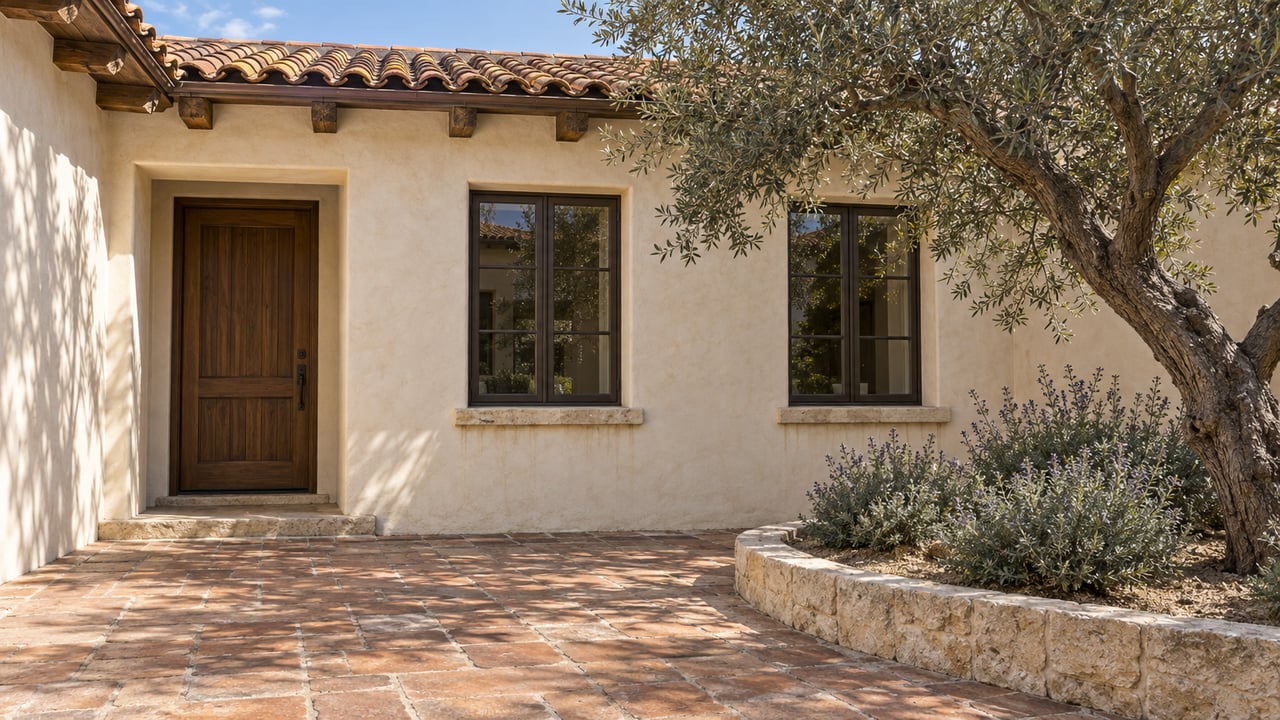
The community plan also notes La Jolla’s history of small single-family summer cottages along the coastline and in the Village. As a result, your search may include older cottages, renovated homes, condo buildings, townhomes, and boutique infill projects.
That variety can be a real advantage. If a detached home in your preferred area stretches the budget, a condo or townhome may offer a different path to the location and lifestyle you want.
Micro-Location Matters In La Jolla
In many markets, neighborhood averages are a useful starting point. In La Jolla, micro-location often matters more.
The City centers La Jolla around the Village, Shores, and Bird Rock commercial districts. A home near the Village may offer a different day-to-day experience than one near La Jolla Shores or in a quieter residential pocket, even when the price points seem similar on paper.
La Jolla Shores is known for its sandy beach that stretches roughly a mile. Windansea is a rocky surf beach known for scenery and break conditions. That means two homes with similar square footage can feel very different based on beach access, surf exposure, parking, traffic flow, and how walkable the immediate area is.
What To Compare Beyond Price
When you evaluate homes in La Jolla, it helps to compare more than bedrooms and bathrooms. Pay close attention to:
- View quality and whether it feels protected
- Lot shape and outdoor usability
- Parking availability for daily life and guests
- Walkability to shops, dining, or the shoreline
- Street noise and visitor traffic
- Remodeling potential and likely review requirements
These details can have a major impact on both enjoyment and long-term resale appeal.
Views Come With Rules
Ocean views are a major reason buyers look in La Jolla, but view properties often come with added considerations. The La Jolla community plan emphasizes preserving scenic vistas of the ocean, beaches, bluffs, hillsides, and canyons.
For buyers, that means future changes to the property may not be as simple as they first appear. If you are considering a home because you want to add square footage, build a deck, change fencing, grade the site, or remove vegetation, you should assume that extra review may be part of the process in some coastal areas.
Coastal Permits Can Affect Future Plans
The California Coastal Commission states that development within the coastal zone generally may not begin until a coastal development permit has been issued by the Commission or a certified local government. In plain terms, this can affect what you are able to do after closing and how long improvements may take.
This does not mean you should avoid coastal property. It means you should match the home to your actual goals. If you want a move-in-ready property with minimal changes, the due diligence may look different than if you are buying for a major remodel or long-term customization.
Overlay Zones Add Another Layer
In parts of La Jolla, site-specific rules can stack up. City project materials for La Jolla Shores have identified layers such as the Coastal Overlay Zone, Coastal Height Limit Overlay Zone, and parking-impact overlays.
That matters because these rules can influence design flexibility, parking expectations, and entitlement timing. If you are comparing two homes at a similar price, the one with fewer regulatory constraints may offer more practical flexibility down the road.
This is one reason local, property-level research matters so much in La Jolla. A strategic offer is not just about price. It is also about understanding what you are truly buying, including future limitations and opportunities.
Think About Long-Term Site Exposure
Current views and beach access are easy to focus on, but long-term exposure matters too. The City’s Coastal Resilience Master Plan includes La Jolla Shores as a project site to improve resilience to sea-level rise.
For you as a buyer, this is a reminder to think beyond today’s photos and staging. A coastal purchase should include a practical look at site exposure, maintenance expectations, and how location may shape future planning or improvements.
Condo And Townhome Buyers Need Strong HOA Review
If you are buying a condo or townhome in La Jolla, the HOA review is a central part of your due diligence. Under California law, sellers in common-interest developments must provide certain transfer documents, and annual budget reports must include a reserve summary and a statement about whether special assessments may be needed for major repairs or replacements.
Associations that meet the statutory threshold must also complete reserve studies at least every three years. Current California law also limits some regular and special assessment increases unless owners approve them.
HOA Documents To Read Carefully
Before you get too far into negotiations, review the:
- CC&Rs
- Annual budget
- Reserve summary
- Insurance summary
- Assessment history
The California Department of Real Estate also advises buyers to determine special taxes, assessments, and HOA dues that affect monthly expenses. In La Jolla, carrying costs can go well beyond principal and interest, so dues and reserve health can meaningfully affect affordability.
Offers Should Be Grounded In Comps And Condition
La Jolla is a premium market, but that does not mean every property sells far above asking. Recent market data showed homes averaging about 2 percent below list, while still going pending in roughly 38 days.
The takeaway is simple: avoid making assumptions based on the luxury label alone. A smart offer should be anchored in recent comparable sales, location specifics, property condition, and the realistic costs of repairs or updates.
Speed Still Matters In Escrow
The California Department of Real Estate says escrow typically begins once buyer and seller agree to terms and closes when the transaction is complete. The county recorder typically records the deed within 1 to 3 days after closing.
In a timing-sensitive market like La Jolla, paperwork discipline matters. If required disclosures are delivered after an offer is signed, California law gives buyers a short right to terminate based on how those disclosures were delivered, so staying organized is important from the start.
Protect Yourself During Closing
One final step deserves special attention. The California Department of Real Estate warns buyers to verify wiring instructions directly with escrow or title to avoid closing-funds fraud.
That extra call or confirmation step may feel small, but it is a critical part of protecting your transaction. In a high-value market like La Jolla, careful execution matters just as much as strategy.
A Smart La Jolla Purchase Starts With Preparation
Buying in La Jolla is rarely just about finding a beautiful home. It is about understanding how location, coastal rules, future flexibility, monthly carrying costs, and market timing all work together.
When you approach the process with strong research, clear priorities, and disciplined due diligence, you put yourself in a much better position to buy the right property for your lifestyle and long-term goals. If you want strategic guidance on evaluating La Jolla homes, comps, and offer options, Sue Otto-Calkins can help you navigate the process with clarity and confidence.
FAQs
What should buyers know about La Jolla home prices?
- La Jolla is a premium coastal market, with recent sources showing listing and sale metrics generally in the mid-$2 million range, though exact numbers vary by data source and measurement.
What should buyers know about housing types in La Jolla?
- La Jolla includes more than detached homes, with condos, townhomes, older cottages, renovated houses, and boutique infill properties all part of the local housing mix.
What should buyers know about coastal permits in La Jolla?
- If a property is in the coastal zone, future work such as additions, decks, grading, fencing, vegetation removal, or access changes may require added review and permitting.
What should condo buyers review before buying in La Jolla?
- Condo and townhome buyers should carefully review the HOA’s CC&Rs, budget, reserve summary, insurance summary, dues, and assessment history before moving too far into negotiations.
What should buyers know about making an offer in La Jolla?
- Buyers should base offers on recent comparable sales, property condition, and location-specific factors rather than assuming every home will sell well over asking.
What should buyers do to protect funds during a La Jolla closing?
- Buyers should verify wiring instructions directly with escrow or title before sending funds, since California’s DRE warns that wire fraud is a real closing risk.